Why Hire an SEO Agency for Events | Event Magnet Blog
06/09/2025
Technical SEO for Events: Indexing, Tags & Sitemaps
02/10/2025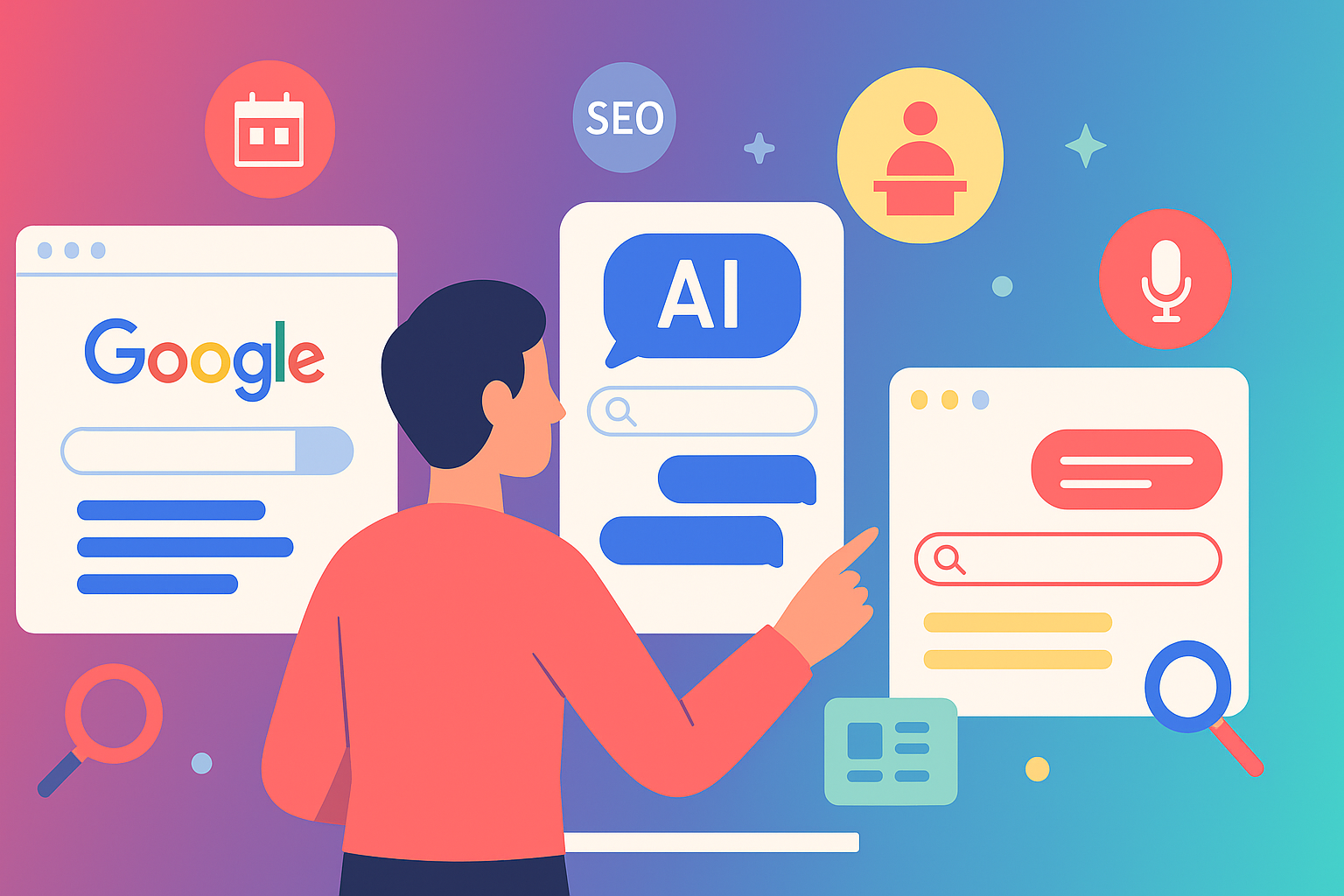
Most event websites still market like it is 2015. But the way people discover events has changed forever, and if your site has not adapted, you are probably invisible.
From Ad Blitz to Always On
Event marketing used to be a seasonal sprint. You ran your campaigns, spent the budget, and pushed hard to get bums on seats. Then, once the event was over, everything went quiet, sometimes even offline.
But discovery no longer works like that. People are researching events year-round. They are entering search queries, browsing topic lists, and relying more than ever on what Google and AI search engines like ChatGPT tell them. Discovery is happening across search engine results, social media, and even inside AI platforms.
Despite this shift, many event websites still behave as if they only matter three months a year. That is a dangerous assumption.
Why Optimise Your Event Website for Search?
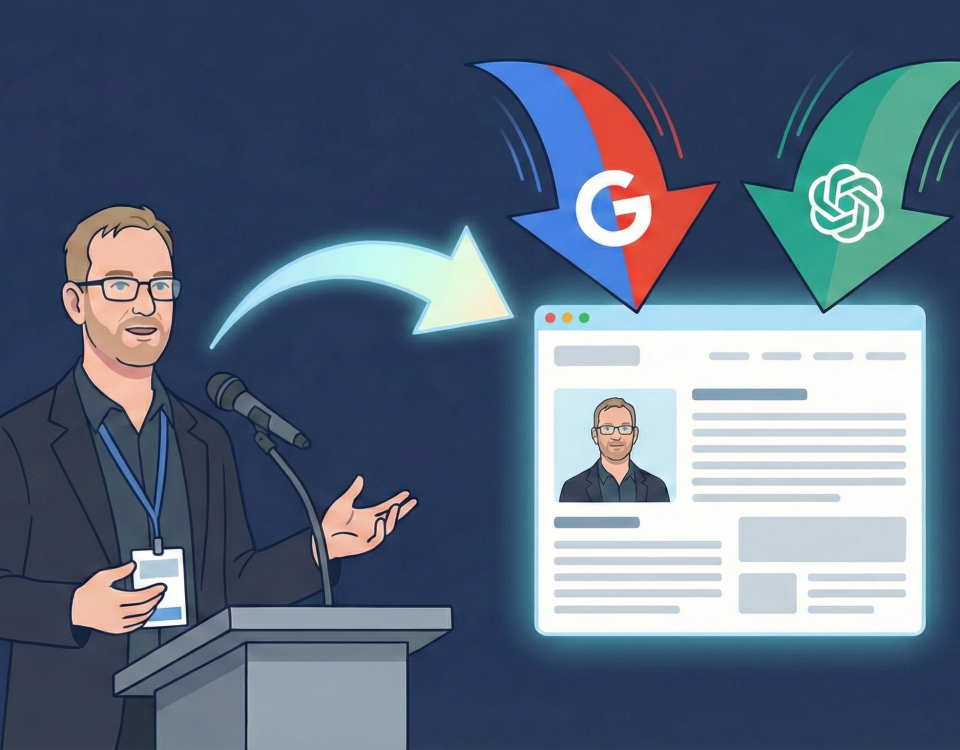
The core reason is simple: visibility. If your website cannot be found, your event cannot grow. Optimising for both traditional SEO and AI discovery means ensuring people can find your event when they are actively looking for topics, speakers, or content related to your themes.
A search-ready site supports ongoing content creation, allowing you to attract traffic across the full year, not just during campaign bursts. This opens up new content opportunities to grow your newsletter, build community, and generate leads, for both attendees and exhibitors.
It also reduces reliance on paid digital marketing. By focusing on evergreen content and long-tail keywords, you can cut ad spend while improving your Share of Voice.
An event website optimised for search gives you more than rankings, it enhances user experience, builds trust, and makes content work harder.
The Rise of AI Driven Search
We are still in the early phases of discovery powered by artificial intelligence, but the momentum is clear.
Google remains dominant, accounting for around 90 to 93 percent of global search traffic (Investopedia). This means traditional SEO still forms the foundation of your visibility.
AI search engines like ChatGPT, Perplexity, and Gemini currently account for less than 1 percent of total search queries — typically between 0.1 and 0.5 percent, depending on region and category (GSQI).
In the U.S. desktop market, AI-powered chatbot searches now make up 5.6 percent of browser-based queries, up from 2.48 percent in mid-2024 and 1.3 percent in early 2024 (PYMNTS).
AI referral traffic is growing fast, with global referrals reaching 1.13 billion in June 2025, a 357 percent year-on-year increase (TechCrunch).
Projected growth: While there is no single forecast, trends suggest that AI search could double again by late 2026, especially as Large Language Models are embedded into major platforms and influence how users conduct discovery.
Google's AI Overviews are also reshaping the experience. Rather than clicking through links, users often read summarised answers right in the search interface. According to Pew and BrightEdge, this shift is leading to fewer clicks and more zero-click sessions, which means your content must be answer-ready.
“The future of SEO is not about ranking on Google's first page. It is about being part of the AI generated answer.”
— Adcore
SEO, GEO, and AEO: What They Mean for Events
To navigate this new world, event marketers need to understand the three layers of modern discovery:
- SEO (Search Engine Optimisation): Making your site visible in traditional search engine results through structured content, keyword research, and internal links.
- GEO (Generative Engine Optimisation): Crafting trustworthy, structured content that AI platforms like ChatGPT can confidently cite in their summaries.
- AEO (Answer Engine Optimisation): Structuring your content to directly answer user questions, often in formats used by AI Overviews, voice assistants, and featured snippets.
“AEO focuses on shaping how AI chatbots respond to user queries by providing comprehensive, authoritative content that can surface in AI-generated answers.” Business Insider
These strategies are more than trends, they are the foundation of visibility in a world where AI-generated summaries often replace traditional link-based browsing.
“Search isn’t a platform, it’s a behaviour… Whether people are typing into Google or prompting ChatGPT, consumers are still asking questions that require content, expertise, and trust.” Search Engine Land
GEO and AEO are not just new acronyms, they are essential tactics that help your event content surface in places where search queries now begin: inside chatbots, AI interfaces, and voice tools. If your content cannot be cited or does not answer a question clearly, it will not be surfaced.
How AI Is Changing Website Optimisation
AI is not just changing where people search, but how they search. Users now enter specific, intent-driven questions like:
- What are the best AI conferences for product managers in Europe?
- Which events feature generative AI speakers in 2025?
These are not just long-tail keywords, they are deep queries that demand relevance and clarity. Search today is a behaviour, not a platform. Whether typed into Google or an AI tool, the expectation is the same: get a useful answer fast.
To meet that demand:
- Write content around real questions and themes
- Provide short, structured data blocks and clear answers
- Use schema markup to support structured data
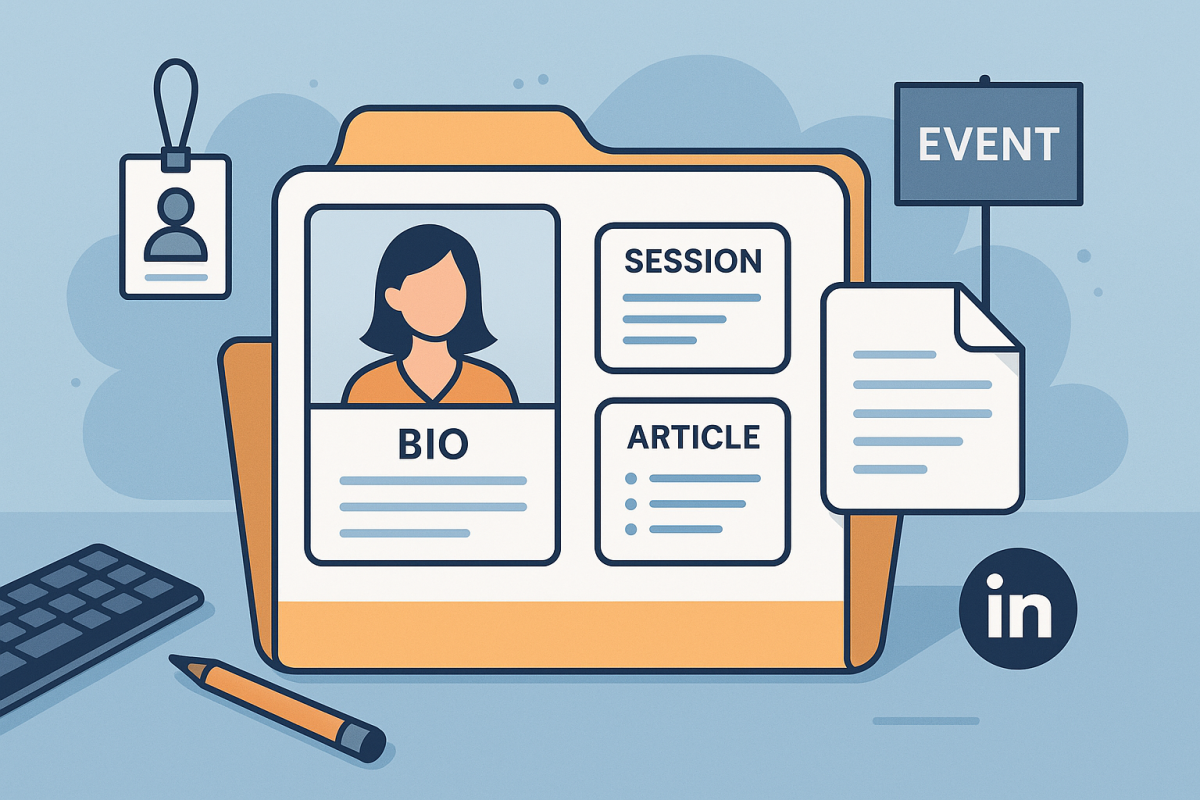
- Include FAQs and speaker bios with rich details
- Maintain content quality across all devices, including mobile devices
- Repurpose user-generated content for discoverability
This is where content creation becomes a year-round growth strategy, one that supports discovery across every channel.
Why Discovery Fails When It Is Treated Like Promotion
Many event sites go dark the moment the show ends. Valuable content like speaker bios, session titles, and agendas disappear or get overwritten. This damages your search rankings and kills future visibility.
Worse, many event marketers still write with only the registration button in mind, not keyword research, not semantic structure, and certainly not AI Overviews.
If your only traffic comes during campaign season, you are missing 80 percent of the game.
What Discovery First Looks Like
A discovery-first website serves the user before the campaign. It is not just a sales funnel, it is a content hub for exploration.
This means:
- Keeping top content live year-round, like speaker and topic pages
- Grouping sessions by theme to support topic depth
- Using internal linking and structured data for findability
- Adding post-event summaries and speaker quotes
- Publishing highlight reels, transcripts, and recap blogs
These assets not only drive traffic but also generate new brand mentions, backlinks, and authority signals, all of which impact your search engine results.
Quick Wins for Smarter Discovery
Need fast improvements? Here are five things you can do this month:
- Add a FAQ to your homepage with common attendee questions
- Keep 2025 agenda URLs live with “next year” messaging
- Optimise session titles for long-tail keywords and search intent
- Repurpose speaker videos into blog summaries and listicles
- Create topic pages that group related content for AI context
Each of these builds your Share of Voice and supports structured discovery across both Google and AI search engines.
This Is a Mindset Shift, Not Just a Tactic
This is not about jumping on an AI trend. It is about making your event easier to find, trust, and revisit, across traditional search, semantic search, and AI platforms.
If your event is worth discovering, it is worth optimising.
Further Reading
Is Your Brand Ready To Be Quoted By AI? Welcome To GEO – Understand how generative engines pull answers, and how to be one of them.
The Future of Discoverability – Why brand visibility now depends on content clarity, structure, and authority.
AI Search Content Optimisation: The Complete Guide (2025) – In-depth guide to structuring content for AI discovery.
References
Latest Posts on Website Optimisation & AI

Website optimisations and AI content direct to your inbox
You can unsubscribe any time. I won’t share your email.